We need better ways for information to move.
We need to build shared data infrastructure, neighborhood by neighborhood, that can power distribution and unlock new revenue models to sustain journalism.
From social networks to the rise of local networks.
Local TV and radio are overdue for an upgrade. Local networks can be their evolution: the 'goodwill ambassador' of a city, connecting people to businesses, organizations and groups with the utility and curation current platforms lack.
AMP Local is a scalable, community-led infrastructure model that enables neighborhoods to control their own visibility, narrative and participation.
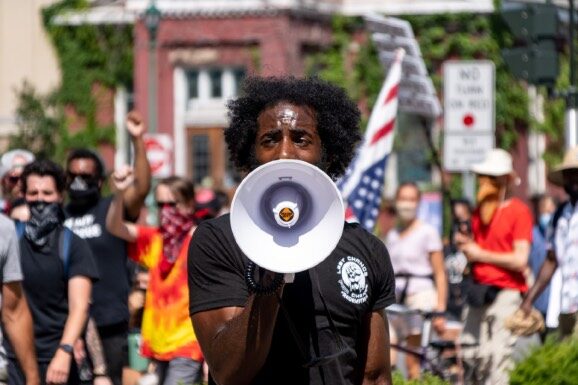
Neighborhoods are expected to engage residents, support local businesses, and collaborate with institutions, without shared communications infrastructure to do so effectively.
Plug into the network.
A community-led media infrastructure model.
Capturing Neighborhood Signal
A shared communications backbone (platforms, formats, distribution) that replaces fragmented outreach with coordinated visibility.
Institutional Bridge
Helps municipalities, funders, and institutions understand and engage neighborhoods without extracting or bypassing them.
Local Economic Participation
Structured ways for small businesses and organizations to show up consistently, not as ads, but as contributors to neighborhood life.
Federated Networks
Local ownership. Shared infrastructure. Open discovery. Principles offered as a starting point for shared governance.
The community stack powers the technology stack.
The goal isn't to own the community's information. It's to build the infrastructure that allows communities to benefit from it. Each local outlet and each 'node' plugs into the network while maintaining full ownership of its content and data.
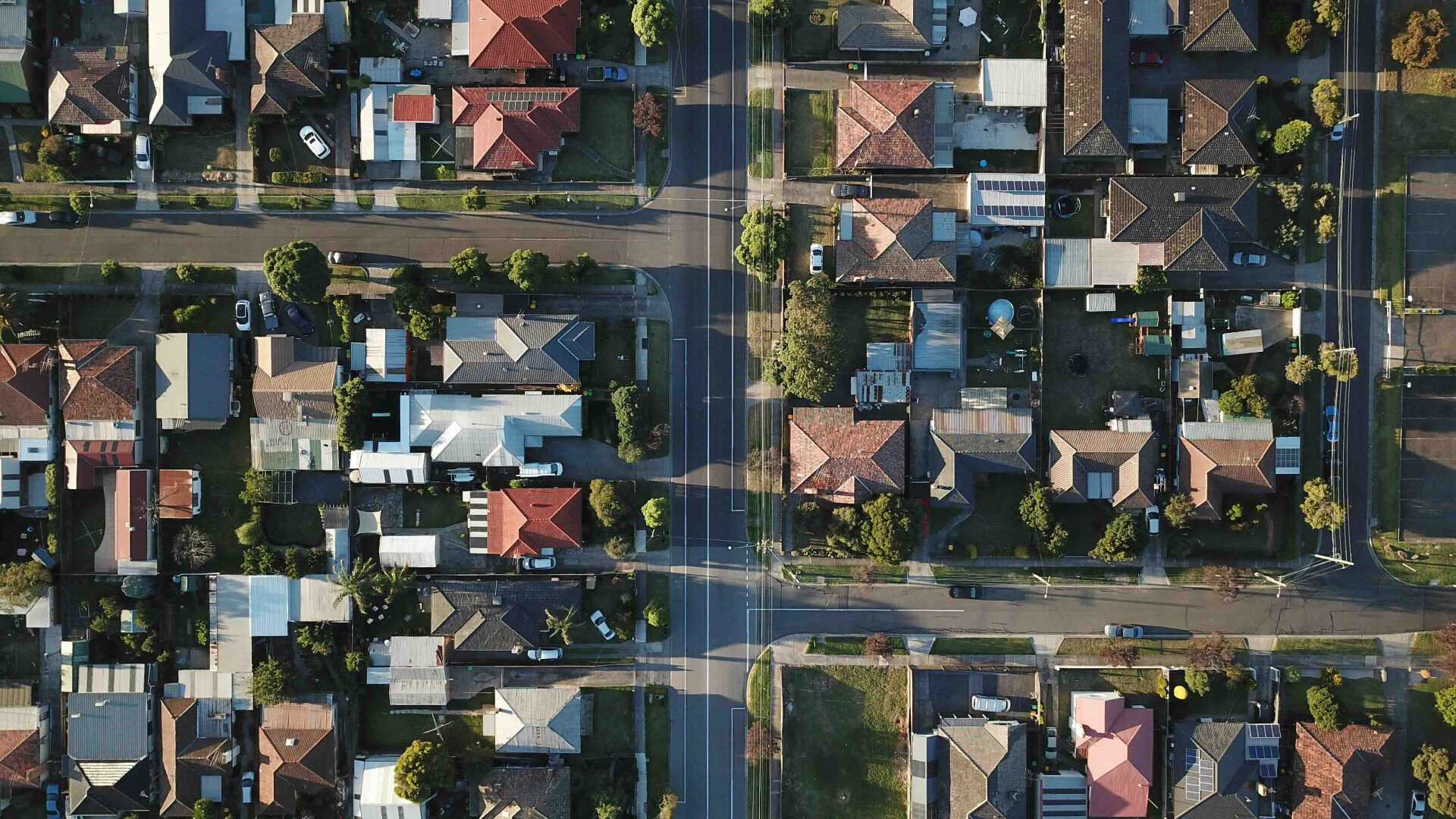
Capturing the signal that could power local discovery.
With almost half of all search requests having local intent, public media has an opportunity to be a resource for verified accounts and local information distribution.

Local information is already moving through fragmented community channels. The opportunity is to connect those channels into something more useful and durable to serve communities.
Local news above the noise to combat misinformation and disinformation.
So much local journalism gets lost on current platforms, and with the proliferation of AI, the need for vetted sources will only grow. We should work in partnership with newsrooms to amplify the local news and information communities need.
Community infrastructure with media capabilities.
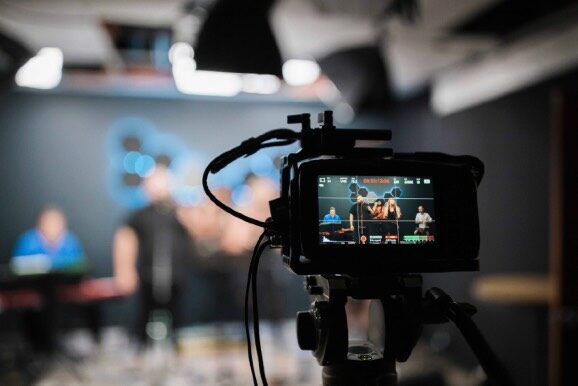
A physical space that complements the digital network, because relationships and trust are built through actual human interaction, not just digital interfaces.
Let's build together.
It is time to make bets on new models and innovate in public media that cultivates local connection, increases civic engagement and uproots local entrepreneurship. We are focused on implementing it with partners who are ready to build public infrastructure together.